We value your privacy
We use cookies to enhance your browsing experience, security, and analyse our traffic. By clicking "Accept All", you consent to our use of cookies.

One year since the launch of the £30m Games Growth Package on 23 June 2025, Ukie and industry partners say the measures are already reshaping the funding landscape for UK studios.
Announced as part of the Government’s Industrial Strategy and the Creative Industries Sector Plan, the Growth Package includes a set of measures designed to help video games businesses to grow in the UK, including:
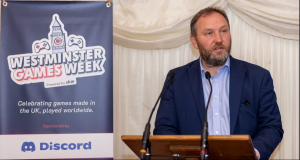
Creative Industries Minister Ian Murray said:
“Video games are as much an economic powerhouse as they are a source of entertainment, yet their contribution to Britain has been undervalued for far too long.
“One year on from our sector plan, this £30 million package is already making an impact. Between now and 2029, it will give some of our most talented game developers the platform to kickstart or accelerate their careers, turning great ideas into real jobs and real growth right across the UK.”
This follows recent positive news from the British Business Bank on a new IP-backed lending guarantee in Chancellor’s SME finance package: https://ukie.org.uk/news/ukie-welcomes-new-ip-backed-lending-guarantee-in-chancellors-sme-finance-package/
Since launch, the UK Games Fund has seen exceptional demand across all three of its funding tracks. The new Starter Fund is supporting new companies with £20k grants, the increased Prototype Fund is backing growing companies with grants of up to £100k, and the Content Fund is providing grants of up to £250k alongside leveraged private capital for developers scaling their growth plans.
Kirsty Gibson, Director, UK Games Talent and Finance CIC said:
“We’ve been delighted to see the high level of demand for our new grant offerings, demonstrating the huge future potential for UK independent games developers to contribute to economic growth.”
The UK Global Screen Fund, expanded as part of the Screen Growth Package with a budget increase from £7m to over £18m per year for 2026 to 2029, has also seen strong take-up from games companies.
To date, 32 UK games companies have been backed through the fund’s International Business Development strand, receiving a combined total of £3.2m through grants of up to £200k available to support enhanced export and international activities focused on revenue generation.
Building on this offer, in May, brand new Video Game Release funding was launched, with grants of up to £50,000 available to support UK developers to mount international release campaigns.
Denitsa Yordanova, Director of UK Global Screen Fund and International Funds said:
“I am delighted that the government’s decision to expand the UK Global Screen Fund with such a significant increase in investment allows us to further boost opportunities for the UK’s extraordinary independent screen sector, including enhanced and vital support for UK games companies with ambitions for international growth and collaboration, complementing the funding offered by the UK Games Fund. We very much look forward to following the impact as these companies continue to build on the UK’s global success and create world-class games.”
Michael French, Head of Games London and Festival Director for the London Games Festival said:
“The Games Growth Package has already had an impact with April’s London Games Festival being the first element delivered under the funding. The festival expanded across both public and professional audiences, re-establishing a large-scale showcase event for new games, attracting international investment and building a business pipeline back into UK businesses. It’ll grow considerably next year too, with a move to a central venue for a number of our tentpole events for industry and games fans alike to further establish a major international games showcase here in the UK.”
In 2026 London Games Festival was host to over 30 events across the city. Visitors came from 61 countries, with a clear national audience (36% Greater London, 49% rest of UK) and international (15%) across the overall audience of 100,000+. The overall business pipeline for this year’s festival is already estimated close to £30m. There was a increased level of participation from industry, with over 8,000 business delegates. Next year’s LGF27 takes place Monday 12 April to Monday 19 April.
Work on the Games Skills Strategy also continues to progress alongside this, ensuring the industry has the people it needs to sustain that growth and the Video Games Council is now meeting with Minister Ian Murray on a regular footing, strengthening our voice in Government.
Nick Button-Brown, Chair of the UK Video Game Council said: “The Games Growth Package is doing what good policy should: giving talented studios the confidence to back themselves. The BBB support of The Games Angels in 5 different rounds, shows that the model works, and those companies now have a much better chance of success. The direct relationship with Government through the UK Video Games Council is changing the way we as an industry can talk to them and make our case. There is plenty still to do, but this is the strongest footing UK games has had in years, and the industry is meeting it with real ambition.”
Nick Poole, CEO of Ukie said: “Twelve months on from the launch of the Creative Industries Sector Plan, we are seeing exactly the response the industry needed to make it work. Studios across the UK are using this funding to scale up, invest in new titles and back their own ambitions, and the demand we’ve seen across the UK Games Fund and the UK Global Screen Fund shows an industry ready to grow. These gains have given me confidence, but they remain fragile, and they depend on Government sustaining the conditions that made them possible. If we want the UK to lead in this sector rather than simply compete in it, we need to build on this foundation, not treat it as a one-off win.”